

Motherhood is often described as a beautiful journey filled with joy, love, and a deep sense of fulfillment. However, it also comes with a fair share of worries and stress. For many mothers, the overwhelming concern for their children’s safety, health, and future can evolve into chronic anxiety. This article delves into why mothers are particularly prone to anxiety related to their children and offers science-backed strategies to help reduce it.
Why Mothers Experience High Levels of Anxiety
- Biological Factors: Hormonal changes, especially during pregnancy and postpartum, play a significant role in how mothers experience anxiety. Estrogen and progesterone, hormones that fluctuate during these periods, have been linked to increased vulnerability to anxiety and mood disorders. The surge in oxytocin, often called the “bonding hormone,” strengthens a mother’s attachment to her child but can also heighten feelings of worry and protectiveness.
- Evolutionary Perspective: From an evolutionary standpoint, anxiety in mothers can be seen as a protective mechanism. The instinct to keep children safe from harm is deeply ingrained and has helped ensure the survival of our species. This innate drive to protect can sometimes manifest as hypervigilance or excessive worry.
- Cultural and Societal Pressures: Modern society places immense pressure on mothers to be perfect. The idealized image of motherhood—always nurturing, patient, and capable—can lead to self-criticism and anxiety when reality doesn’t match expectations. Social media exacerbates this by presenting curated images of flawless parenting, making mothers feel inadequate if they face challenges or struggle with anxiety.
- Attachment and Responsibility: The deep emotional bond between mother and child is a source of immense joy but also a significant source of anxiety. Mothers often feel a heightened sense of responsibility for their children’s well-being, leading to constant worry about their health, safety, and future prospects.
The Science Behind Maternal Anxiety
Research shows that mothers are more susceptible to anxiety disorders, particularly during the child-rearing years. A study published in the journal Development and Psychopathology highlighted that postpartum anxiety affects between 10% and 20% of new mothers. This anxiety can extend well beyond the early years of motherhood, particularly in mothers who are predisposed to anxiety disorders or who experience high levels of stress.
The amygdala, the brain’s fear center, is more active in mothers, particularly in response to child-related stressors. This heightened activity makes mothers more sensitive to perceived threats, even when there is no real danger. Additionally, chronic stress can lead to an overproduction of cortisol, the stress hormone, which exacerbates feelings of anxiety.
How to Reduce Anxiety as a Mother
- Practice Mindfulness and Meditation: Mindfulness exercises, such as deep breathing, meditation, and grounding techniques, can help reduce anxiety by calming the nervous system. These practices encourage mothers to stay present and focus on the here and now, rather than catastrophizing about the future.
- Limit Exposure to Stress Triggers: Social media, news outlets, and even well-meaning friends can sometimes increase anxiety by sharing alarming stories or unrealistic expectations. Limiting exposure to these triggers can help mothers maintain a healthier mental state. Instead, focus on uplifting and positive content that reinforces your confidence in your parenting abilities.
- Seek Professional Support: Cognitive-behavioral therapy (CBT) is highly effective in treating anxiety. A therapist can help mothers identify negative thought patterns and develop coping strategies. For some, medication may also be a necessary component of treatment, particularly if anxiety is severe or linked to hormonal changes.
- Build a Support System: A strong support network of family, friends, and other mothers can provide emotional comfort and practical assistance. Sharing experiences with other mothers who understand the challenges of parenting can reduce feelings of isolation and anxiety.
- Focus on Self-Care: Mothers often neglect their own needs, prioritizing their children above all else. However, self-care is crucial in managing anxiety. Regular exercise, a balanced diet, sufficient sleep, and hobbies that bring joy can all help reduce stress levels. When mothers take care of themselves, they are better equipped to care for their children.
- Develop Realistic Expectations: It’s important for mothers to recognize that perfection in parenting is an unrealistic goal. Children will face challenges, make mistakes, and encounter difficulties—that’s part of growing up. Allowing children to experience these aspects of life without feeling responsible for shielding them from every possible harm can reduce maternal anxiety.
- Practice Gratitude: Shifting focus from worries to gratitude can significantly impact mental well-being. Keeping a gratitude journal where you note down positive experiences and things you’re thankful for can help reframe your perspective and reduce anxiety.
Conclusion
Maternal anxiety is a common experience, shaped by biological, psychological, and social factors. While it’s natural for mothers to worry about their children, chronic anxiety can be overwhelming and detrimental to both the mother and the child. By understanding the root causes of maternal anxiety and implementing strategies to manage it, mothers can find a balance between caring deeply for their children and maintaining their own mental health.
Remember, it’s okay to seek help, lean on others for support, and take time for yourself. Managing anxiety is not just about reducing stress; it’s about creating a fulfilling life where both you and your children can thrive.

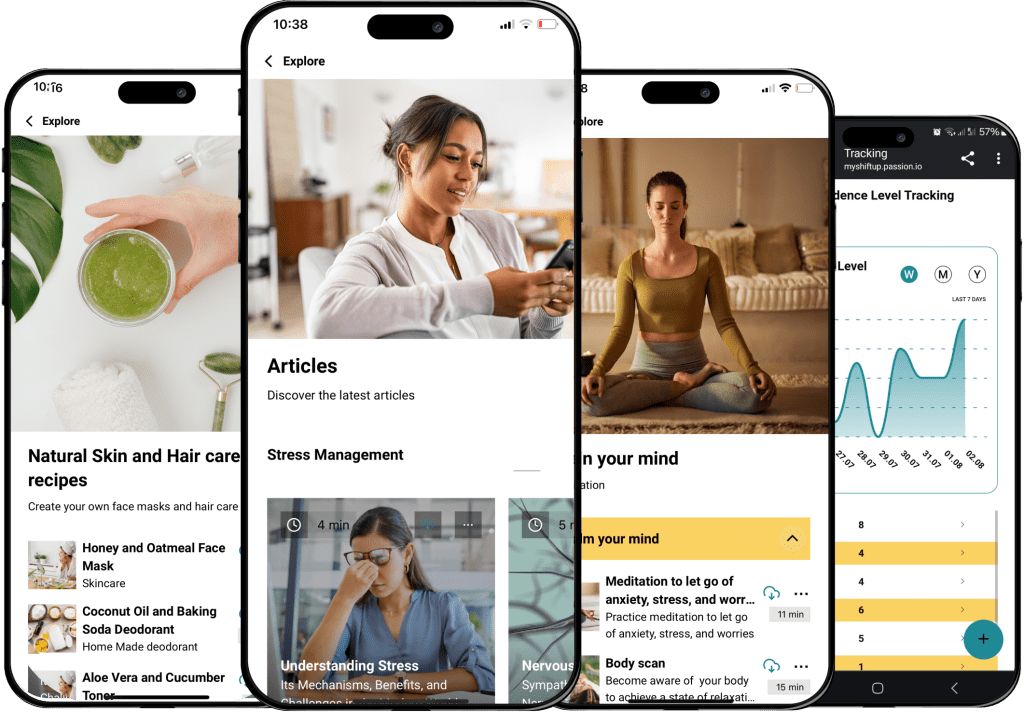
MyShiftUp iOS App is now available.
Download it now and get 2 weeks free Trial !


UNLOCK YOUR FULL POTENTIAL, PERSONAL GROWTH & WELL-BEING WITH YOUR HOLISTIC COACH.
