
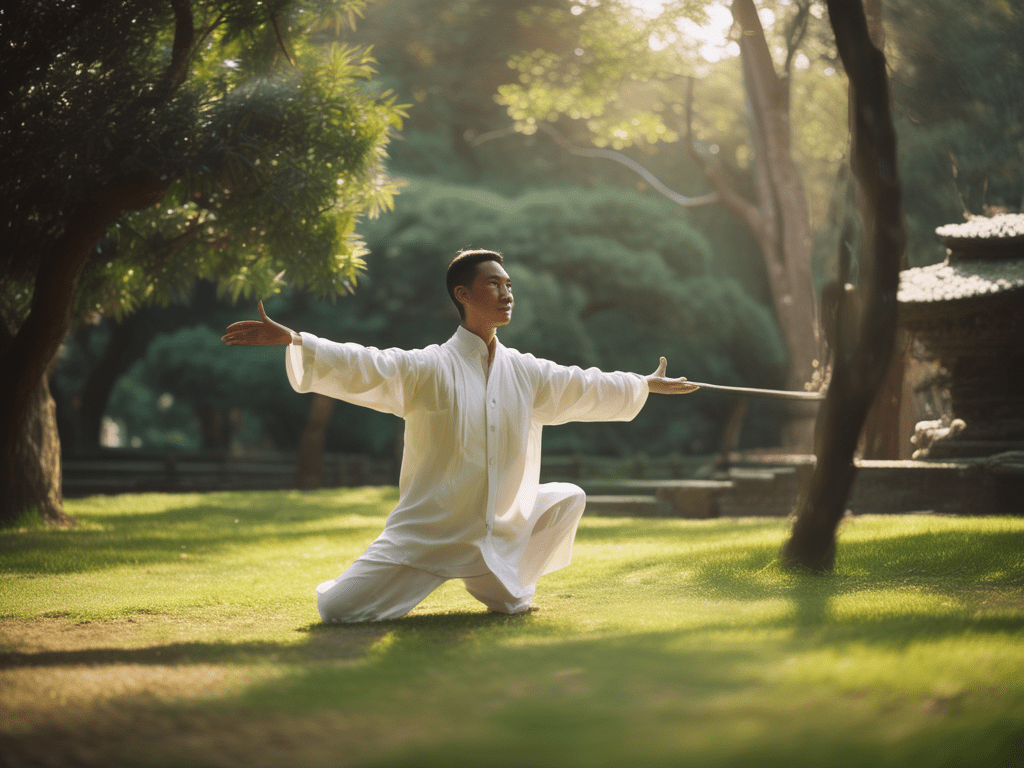
Qi Gong, an ancient Chinese practice that harmonizes the body, mind, and spirit through movement, breath control, and meditation, has been a cornerstone of Chinese health and wellness for thousands of years. This holistic practice is deeply rooted in the philosophies of Taoism and Confucianism and is known for its ability to cultivate life energy, known as “Qi.” In this article, we’ll explore the origins and philosophy of Qi Gong, its numerous benefits, some key sequences, and practical tips for incorporating this practice into your daily life.
Origins of Qi Gong
Qi Gong, which translates to “life energy cultivation” or “energy work,” has origins that date back over 4,000 years in ancient China. Initially developed as a means to cultivate and balance Qi, the vital life force believed to flow through all living things, Qi Gong has been practiced by monks, martial artists, and healers for its profound health benefits, spiritual growth, and enhancement of martial arts skills.
Over the centuries, Qi Gong has evolved into various forms, each with its own focus—whether for healing, martial arts, or spiritual development. Despite its evolution, the core principles of Qi Gong remain consistent, emphasizing the cultivation of Qi to promote physical, mental, and spiritual well-being.
Philosophy of Qi Gong
At the heart of Qi Gong is the belief that Qi, or life energy, flows through the body along specific pathways known as meridians. In traditional Chinese medicine (TCM), the free and balanced flow of Qi is essential for maintaining health. When Qi is blocked or becomes unbalanced, it can lead to physical ailments, emotional disturbances, and mental imbalances.
Qi Gong practices are designed to regulate and balance Qi, ensuring its smooth flow throughout the body. This is achieved through a combination of physical movements, controlled breathing, and meditative focus. The philosophy of Qi Gong emphasizes the interconnectedness of the body, mind, and spirit, and the practice aims to harmonize these aspects to create overall health, vitality, and inner peace.
Qi Gong also fosters mindfulness and awareness, encouraging practitioners to develop a deep connection with their bodies and the present moment. This holistic approach not only improves physical health but also enhances mental clarity, emotional stability, and spiritual growth.
Benefits of Qi Gong
Qi Gong offers a wide range of benefits, making it a valuable practice for people of all ages and fitness levels. Some of the most notable benefits include:
1. Improved Physical Health
Qi Gong enhances flexibility, balance, and muscle strength, which can reduce the risk of falls and injuries, especially in older adults. The gentle movements also improve circulation, boost the immune system, and promote overall physical health.
2. Stress Reduction
The meditative aspect of Qi Gong helps to calm the mind and reduce stress. By focusing on the breath and movement, practitioners can achieve a state of relaxation, which lowers stress hormones and promotes a sense of inner peace.
3. Enhanced Mental Clarity
Qi Gong improves focus and concentration, helping to clear mental fog and enhance cognitive function. Regular practice can lead to better memory, sharper thinking, and improved decision-making.
4. Emotional Balance
Qi Gong helps regulate emotions by balancing the flow of Qi. This can lead to a more stable mood, reduced anxiety, and greater emotional resilience.
5. Spiritual Growth
For those seeking spiritual development, Qi Gong offers a path to greater self-awareness and a deeper connection to the universe. The practice encourages mindfulness and the exploration of one’s inner self, fostering spiritual growth and enlightenment.
Key Qi Gong Sequences
Qi Gong consists of numerous sequences, each designed to cultivate and balance Qi in different ways. Here are some of the most widely practiced sequences:
1. The Eight Brocades (Ba Duan Jin)
The Eight Brocades is one of the most popular Qi Gong sequences, known for its simplicity and effectiveness. It consists of eight exercises, each targeting specific parts of the body to promote overall health and well-being.
- Two Hands Hold Up the Heavens: Stretches the entire body, regulates the internal organs, and promotes the flow of Qi.
- Drawing the Bow to Shoot the Hawk: Strengthens muscles and improves focus and coordination.
- Separating Heaven and Earth: Balances the digestive system and enhances energy circulation.
- Wise Owl Gazes Backwards: Increases flexibility in the neck and spine, relieving tension.
- Sway the Head and Shake the Tail: Releases lower back tension and calms the mind.
- Two Hands Hold the Feet: Stretches the hamstrings and stimulates kidney function.
- Clench the Fists and Glare Fiercely: Builds strength and determination.
- Bouncing on the Toes: Stimulates meridians and promotes circulation.
2. Five Animal Frolics (Wu Qin Xi)
This sequence mimics the movements of five animals—the tiger, deer, bear, monkey, and crane. Each animal represents different qualities and targets specific organs and meridians.
- Tiger: Develops strength and focuses on the liver.
- Deer: Enhances grace and flexibility, benefiting the kidneys.
- Bear: Builds inner strength and stability, supporting the spleen.
- Monkey: Promotes agility and quickness, benefiting the heart.
- Crane: Cultivates calmness and balance, focusing on the lungs.
3. Microcosmic Orbit
The Microcosmic Orbit is a meditation-based Qi Gong practice that involves circulating Qi along two major energy channels in the body—the Ren Mai (Conception Vessel) and the Du Mai (Governing Vessel). This sequence is often practiced by advanced practitioners to cultivate and refine internal energy.
Tips for Practicing Qi Gong
- Start Slow: Begin with short sessions of 10-15 minutes and gradually increase the duration as you become more comfortable with the movements and breathing techniques.
- Focus on Breathing: Breathing is a crucial component of Qi Gong. Practice deep, slow, and rhythmic breathing to help regulate Qi and enhance the benefits of the movements.
- Practice Mindfulness: Stay present and focused during your practice. Pay attention to the sensations in your body, the flow of your breath, and the movement of your Qi.
- Consistency is Key: Regular practice is essential for experiencing the full benefits of Qi Gong. Aim to practice daily, even if only for a few minutes.
- Learn from a Qualified Instructor: If possible, take classes from a certified Qi Gong instructor who can guide you in proper technique and help you deepen your practice.
- Listen to Your Body: Qi Gong should never cause pain or discomfort. If you experience any discomfort, modify the movements or reduce the intensity.
- Create a Calm Environment: Practice Qi Gong in a quiet, comfortable space where you can focus without distractions. Consider practicing outdoors to connect with nature and enhance the flow of Qi.
Conclusion
Qi Gong is a powerful practice that offers numerous physical, mental, and spiritual benefits. Whether you’re looking to improve your health, reduce stress, or cultivate spiritual awareness, Qi Gong provides a holistic approach that harmonizes the body, mind, and spirit. By incorporating key sequences like the Eight Brocades or the Five Animal Frolics into your routine and following the tips provided, you can begin to experience the transformative effects of this ancient practice. As with any practice, consistency and mindfulness are key to unlocking the full potential of Qi Gong in your life.


MyShiftUp iOS App is now available.
Download it now and get 2 weeks free Trial !


UNLOCK YOUR FULL POTENTIAL, PERSONAL GROWTH & WELL-BEING WITH YOUR HOLISTIC COACH.
