

Mapping out your strengths is an insightful exercise that can help you identify your core capabilities and leverage them to enhance your personal and professional life. Follow this step-by-step guide to map out your strengths effectively.
Materials Needed:
- Pen and paper or a digital device for note-taking
- A quiet space free from distractions
- A strengths assessment tool (optional)
Step 1: Self-Reflection
- Find a Quiet Place: Sit in a comfortable, quiet place where you can reflect without interruptions.
- Reflect on Past Experiences:
- Success Stories: Write down three to five instances in your life where you felt particularly successful or accomplished. These can be from any area of your life—work, school, hobbies, or personal achievements.
- Details: For each instance, describe the situation, the actions you took, and the outcomes. Focus on what you did specifically that led to success.
- Identify Strengths:
- Patterns: Look for patterns or common themes in the actions you took in each of these success stories. What skills or qualities did you consistently use?
- List Strengths: Write down the strengths you identify. Be specific (e.g., “creative problem-solving,” “effective communication,” “leadership in crisis situations”).
Step 2: Seek External Feedback
- Reach Out: Contact five people who know you well and whose opinions you trust. These can be friends, family members, colleagues, or mentors.
- Ask for Feedback:
- Strengths Inquiry: Ask them to share three strengths they believe you possess and examples of when they have seen these strengths in action.
- Document Responses: Write down their responses and note any recurring strengths mentioned by multiple people.
Step 3: Strengths Assessment Tool (Optional)
- Choose an Assessment Tool: Use a well-known strengths assessment tool such as CliftonStrengths (StrengthsFinder) or the VIA Character Strengths survey.
- Take the Assessment: Complete the assessment honestly, focusing on how you naturally think, feel, and behave.
- Review Results: Analyze the results provided by the assessment tool. Compare these with the strengths you identified in Steps 1 and 2
Step 4: Create Your Strengths Map
- Compile Information: Combine the strengths identified through self-reflection, external feedback, and the assessment tool (if used).
- Categorize Strengths:
- Core Strengths: These are strengths that were consistently identified across all three sources (self-reflection, feedback, and assessment).
- Additional Strengths: These are strengths identified in one or two sources.
- Visual Representation: Create a visual map of your strengths. You can use a mind map, a list, or a chart. Place your core strengths at the center and additional strengths around them.
Step 5: Action Plan
- Leverage Your Strengths: Develop a plan to use your strengths more effectively in your daily life.
- Set Goals: Set specific, actionable goals that allow you to use and develop your strengths. For example, if “effective communication” is a strength, set a goal to lead a presentation or workshop.
- Integrate Strengths: Find ways to integrate your strengths into your current responsibilities and new opportunities.
- Continuous Improvement: Regularly review and update your strengths map.
- Feedback Loop: Seek ongoing feedback from trusted individuals and reflect on new experiences to identify any emerging strengths.
- Strengths Development: Take courses, read books, or engage in activities that help you further develop your strengths.
Example Strengths Map
Core Strengths:
- Creative Problem-Solving
- Effective Communication
- Leadership in Crisis Situations
Additional Strengths:
- Empathy
- Analytical Thinking
- Adaptability
By mapping out your strengths, you can gain a deeper understanding of your unique capabilities and use this knowledge to enhance your personal growth and professional development. This exercise not only helps in identifying your strengths but also empowers you to leverage them for greater success and fulfillment.

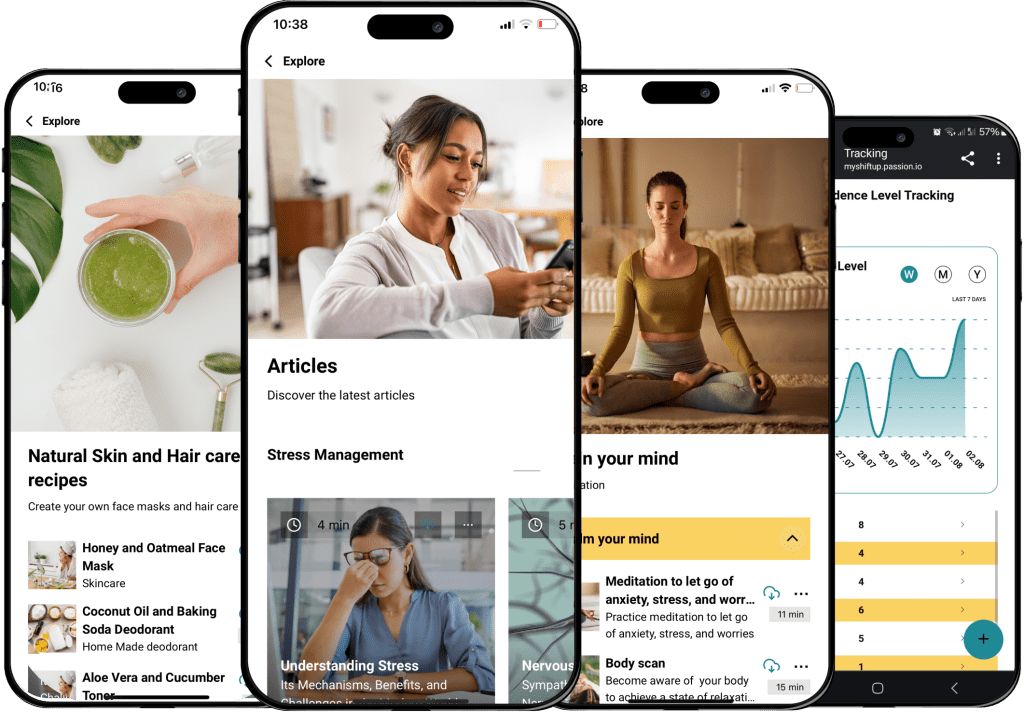
MyShiftUp iOS App is now available.
Download it now and get 2 weeks free Trial !


UNLOCK YOUR FULL POTENTIAL, PERSONAL GROWTH & WELL-BEING WITH YOUR HOLISTIC COACH.
